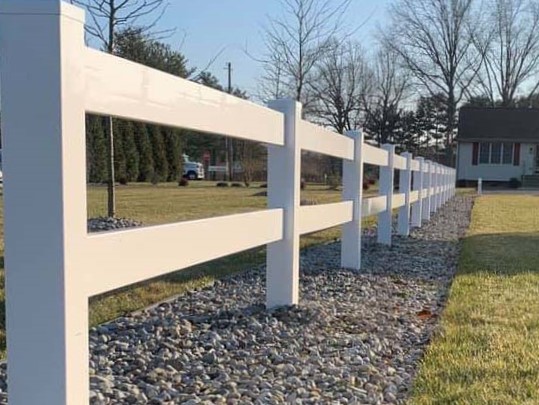
South Jersey winters bring snow, freezing temperatures, and changing weather that can take a toll on residential fencing. Choosing the right fence material matters—not just for appearance, but for long-term durability and performance.
Superior Fence and Railing has helped South Jersey property owners select and maintain fences built to handle local weather conditions, including heavy snowfall (20 – 30 inches annually) and winter moisture. In this guide, you’ll learn which fence materials perform best in South Jersey and how to protect your residential fence from snow-related damage.
How Snow Affects Different Fence Materials
New Jersey winters bring varying snowfall totals, with South Jersey typically receiving 20-30 inches annually. The combination of wet, heavy snow and fluctuating temperatures creates challenges for residential fencing. Different materials respond to snow exposure with dramatically different performance levels, making material selection crucial for long-term durability.
Weight accumulation against fence panels generates lateral pressure, especially when winter storms deposit multiple layers. Freeze-thaw cycles drive moisture into materials and post holes, where it expands upon freezing. Repeated expansion and contraction weaken fence integrity over time, creating cracks, splits, and structural instability that worsen with each passing season.
| Material Performance | Moisture Resistance | Freeze-Thaw Durability | Weight Handling |
| Vinyl | Excellent (non-porous) | Excellent (flexible) | Very good |
| Aluminum | Excellent (rust-resistant) | Excellent (stable) | Excellent |
| Ornamental Steel | Excellent (powder-coated) | Excellent (stable) | Excellent |
| Wood | Good (with treatment) | Good (with maintenance) | Moderate |
| Chain Link | Excellent (minimal retention) | Excellent (stable) | Excellent |
Understanding how winter weather affects fencing materials helps homeowners make informed decisions that minimize maintenance and maximize fence lifespan, even in challenging seasonal conditions.
Vinyl Fencing: Top Choice for Snow Resistance
Vinyl fencing’s non-porous PVC material prevents moisture absorption, eliminating a common way snow damages other fence types. Water cannot penetrate vinyl’s surface, so freeze-thaw cycles generally affect only the ground around posts.
Vinyl remains flexible even in freezing temperatures, allowing panels to withstand snow pressure and occasional impacts from snow removal equipment without cracking. Vinyl maintains its structural integrity throughout temperature fluctuations from winter lows to spring thaws.
Benefits of vinyl fencing in winter conditions:
- Zero Moisture Absorption: Non-porous surface completely prevents water penetration
- Cold Weather Flexibility: Maintains resilience rather than becoming brittle below freezing
- No Seasonal Treatments: Requires no staining, sealing, or protective coatings before winter
- Easy Snow Removal: A smooth surface allows snow to slide off naturally
- Salt Resistance: Simple washing removes road salt residue without material damage
- Color Retention: UV-resistant formulation prevents fading from winter sun on snow
Aluminum Fencing: Durable and Weather-Resistant
The metal material naturally resists rust and corrosion, maintaining structural integrity even when exposed to moisture from melting snow. Aluminum can support snow accumulation without bending or permanent deformation.
Picket-style design allows snow to fall through gaps rather than accumulating against solid surfaces. This reduces the total weight burden on the fence structure and minimizes lateral pressure that could stress posts or panels. Wind also passes through aluminum fencing more easily, preventing snow drifts from building up along fence lines.
Aluminum fence winter advantages:
- Rust-Proof Construction: Powder-coated finish protects against moisture and salt exposure
- Open Design Benefits: Snow passes through rather than accumulating
- Exceptional Strength: Handles weight without bending or warping
- Low Maintenance: No painting, staining, or seasonal treatments required
- Temperature Stable: Metal properties remain consistent across temperature ranges
Ornamental Steel Fencing: Superior Strength
Ornamental steel fencing combines elegant design with exceptional winter performance. The heavy-gauge steel materials provide superior strength, resisting the heaviest snow loads without bending or deformation. Powder-coated finishes protect steel from moisture and road salt, maintaining visual appeal.
The open picket design that allows snow to pass through rather than accumulating against the fence, minimizing weight stress on posts and reducing the lateral pressure that can destabilize fencing during heavy snowfall.
Ornamental steel fence winter advantages:
- Maximum Strength: Heavy-gauge materials handle extreme snow loads
- Rust Prevention: Powder-coated finish resists corrosion from moisture and salt
- Open Design: Snow falls through gaps, preventing accumulation
- Temperature Stability: Steel maintains structural properties in freezing conditions
- Low Maintenance: No seasonal treatments or protective coatings needed
- Long Lifespan: Properly maintained steel fencing lasts decades in winter climates
Wood Fencing: Proper Care for Winter Performance
Wood fencing offers natural beauty and traditional charm that many homeowners prefer. With proper maintenance and the right protective treatments, wood fencing performs reliably through New Jersey winters while providing the warm, organic aesthetic that complements any property style.
Wood’s natural composition requires seasonal care to maintain its appearance and durability during the winter months. Moisture management becomes the primary focus, as preventing water absorption protects wood from freeze-thaw stress. Sealants and treatments create effective barriers against moisture penetration.
Wood fence winter care practices:
- Annual Sealing: Apply high-quality water-resistant sealant each fall to protect against moisture
- Species Selection: Cedar offers natural rot resistance and enhanced durability
- Regular Inspection: Monitor for minor issues that are easy to address before they expand
- Proper Installation: Ensure posts are set below the frost line with adequate drainage
- Maintenance Rewards: Well-maintained wood fences develop rich patina and character over time
Chain Link Fencing: Minimal Snow Impact
Chain link fencing experiences virtually no snow-related damage due to its unique construction. The woven wire mesh design prevents snow accumulation entirely, as flakes fall through the open structure rather than piling up.
Galvanized or vinyl-coated chain link withstands winter conditions. The metal wire doesn’t absorb moisture, and its flexibility allows individual strands to move slightly under the weight of snow without permanent deformation. Posts bear minimal lateral pressure since snow doesn’t accumulate against the fence fabric.
Chain link winter performance characteristics:
- Low Maintenance: Minimal snow retention reduces maintenance needs
- Rust-Resistant: Galvanized coating resists rust from moisture exposure
- Upgraded Options: Vinyl coating options add color and extra protection
- Sturdy Posts: Posts remain stable without snow weight stress
- No Additional Treatments: No seasonal preparation or treatments required
Post Installation and Winter Protection
Regardless of material choice, proper post installation is the foundation of a winter-resistant fence. Posts must be set below the local frost line, typically 24 to 36 inches in South Jersey, to prevent movement when the ground freezes and thaws.
Concrete anchoring adds stability by resisting snow pressure and frost heaving. Sloping the concrete away from the post helps direct water away, reducing moisture buildup and long-term shifting.
Post protection strategies for winter:
- Set posts 6-12 inches below the local frost line depth
- Use concrete anchoring for maximum stability
- Slope concrete tops for water drainage
- Inspect posts annually for movement or loosening
- Address unstable posts before winter arrives
Superior Fence and Railing ensures proper post installation for all fence projects in South Jersey. Our installation techniques account for local soil conditions and frost depths, providing a stable foundation that allows fences to withstand winter weather year after year.
Protect Your Fence Investment
What fence materials handle snow best in New Jersey? Vinyl and aluminum lead the category, offering exceptional durability with minimal maintenance requirements. While wood and chain link serve specific needs, most homeowners find vinyl or aluminum provides the best combination of winter performance, aesthetic appeal, and long-term value.
As a leading South Jersey fence company, Superior Fence and Railing specializes in fencing built specifically for New Jersey weather conditions. Whether you need new fence installation or want to upgrade from a material struggling with winter damage, contact us online or at (609) 727-3708 to discuss snow-resistant options for your South Jersey property.